 Essential Nose
Oregano
Origanum vulgare
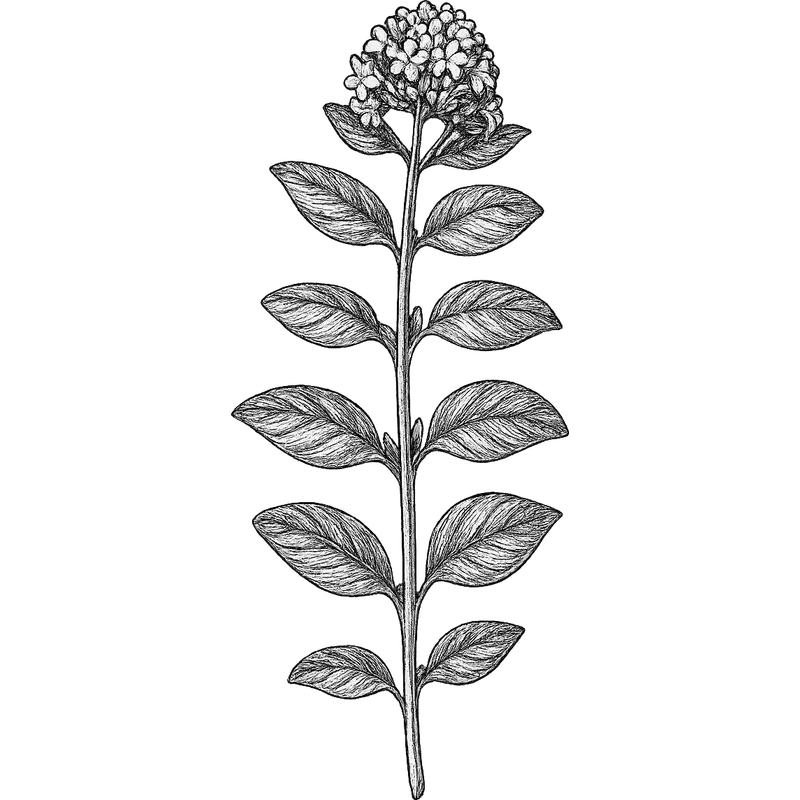
Oregano oil is one of the strongest antibacterial oils there is, and it smells like it. Up to four fifths of it is carvacrol, a phenol that punches holes in bacterial membranes until the cell leaks. Reviews of carvacrol credit it with killing bacteria and fungi, calming inflammation and protecting cells.[1] In lab tests the whole oil stopped bacteria forming the slimy films that shield them, at doses too low to kill them outright.[2] It is a strong skin irritant and needs heavy dilution.[3]
- Also Known As
- Wild Marjoram, Common Oregano
- Family
- Herbal
- Perfumery Note
- Top
- Intensity
- Very Strong
- Extraction
- Steam Distillation
- Plant Parts
- Leaves
- Origins
- Turkey, Greece, Spain
- Effect
- Grounding & Centering, Respiratory Support, Warming & Comforting
- Aroma
- Herbal, Pungent, Medicinal
- Applications
- Diffusing & Inhalation, Cooking & Flavouring
- Price
- $$$$A hardy herb with a very high oil yield, though it's extremely potent and used in small amounts
References
- [1]Carvacrol and human health: A comprehensive review - Sharifi-Rad M et al. Phytotherapy Research, 2018
- [2]Origanum vulgare essential oil prevented biofilm formation and showed antibacterial activity against planktonic and sessile bacterial cells - Schillaci D et al. Journal of Food Protection, 2013
- [3]Allergic contact dermatitis from essential oil in consumer products: mode of uses and value of patch tests with an essential oil series - Barbaud A et al. Contact Dermatitis, 2023